

Hey huns,
I kicked off the festive season early this week with a trip to the launch of Somerset House's outdoor skating rink. There was a steel pan band playing festive tunes, delicious canapés, and plenty of drinks.
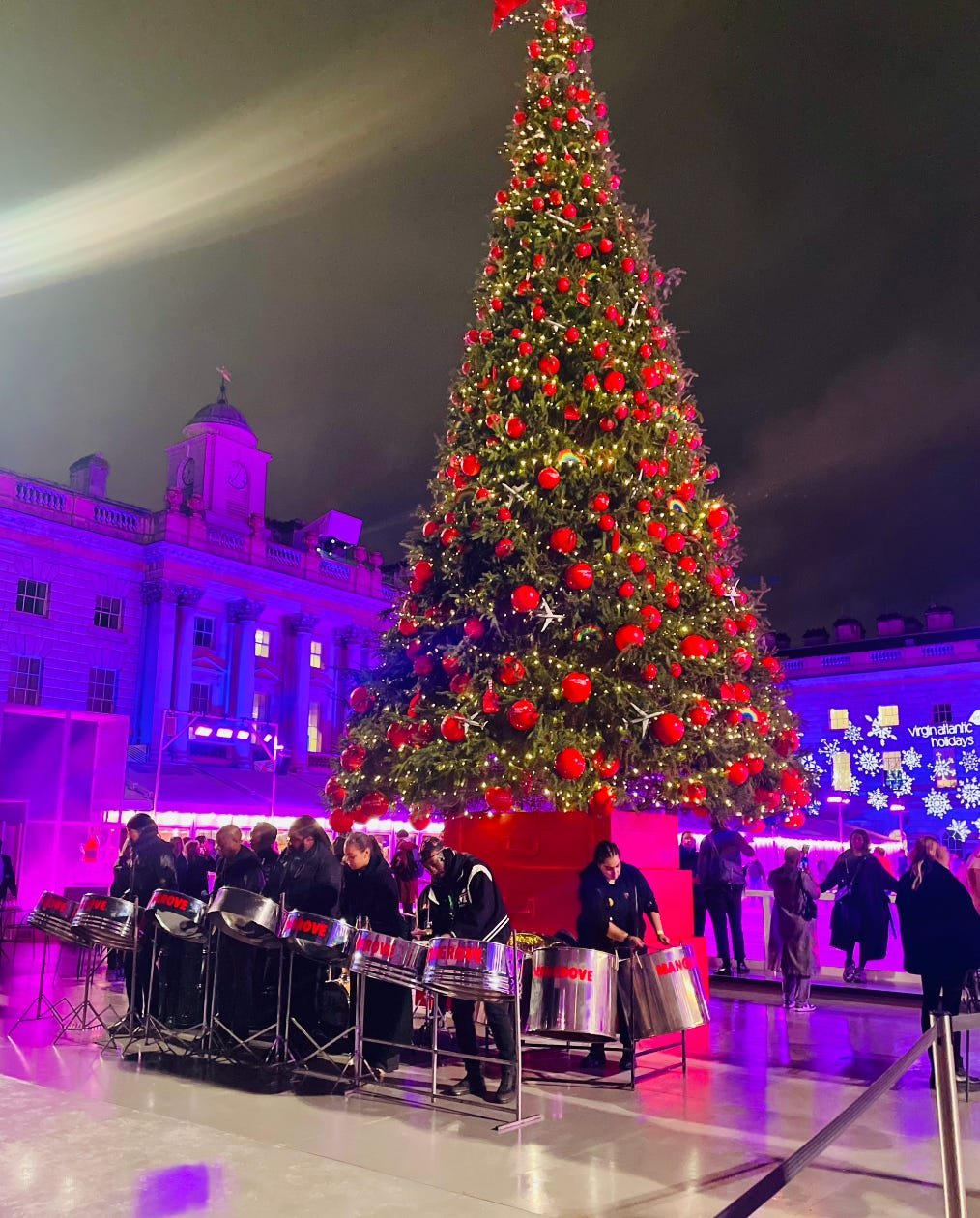
Once I strapped on my skates, my main goal was simple: stay upright! And, by the hairs of my chinny chin chin, I managed it (though only just). Balancing on the ice while trying to vibe to the music was a feat in itself. Every time they played a banger, I’d get into it, sail a little too close to the sun, and nearly topple over. The experience was great, though, because it really helped me to stay present and concentrate on each moment.
It got me thinking about how much of life feels like that—trying to stay steady amidst all the chaos. Just when I think I’ve got my rhythm, something comes along to shake things up, and I’m back to finding my balance. Rinse and repeat, right?
BOOK OF THE WEEK
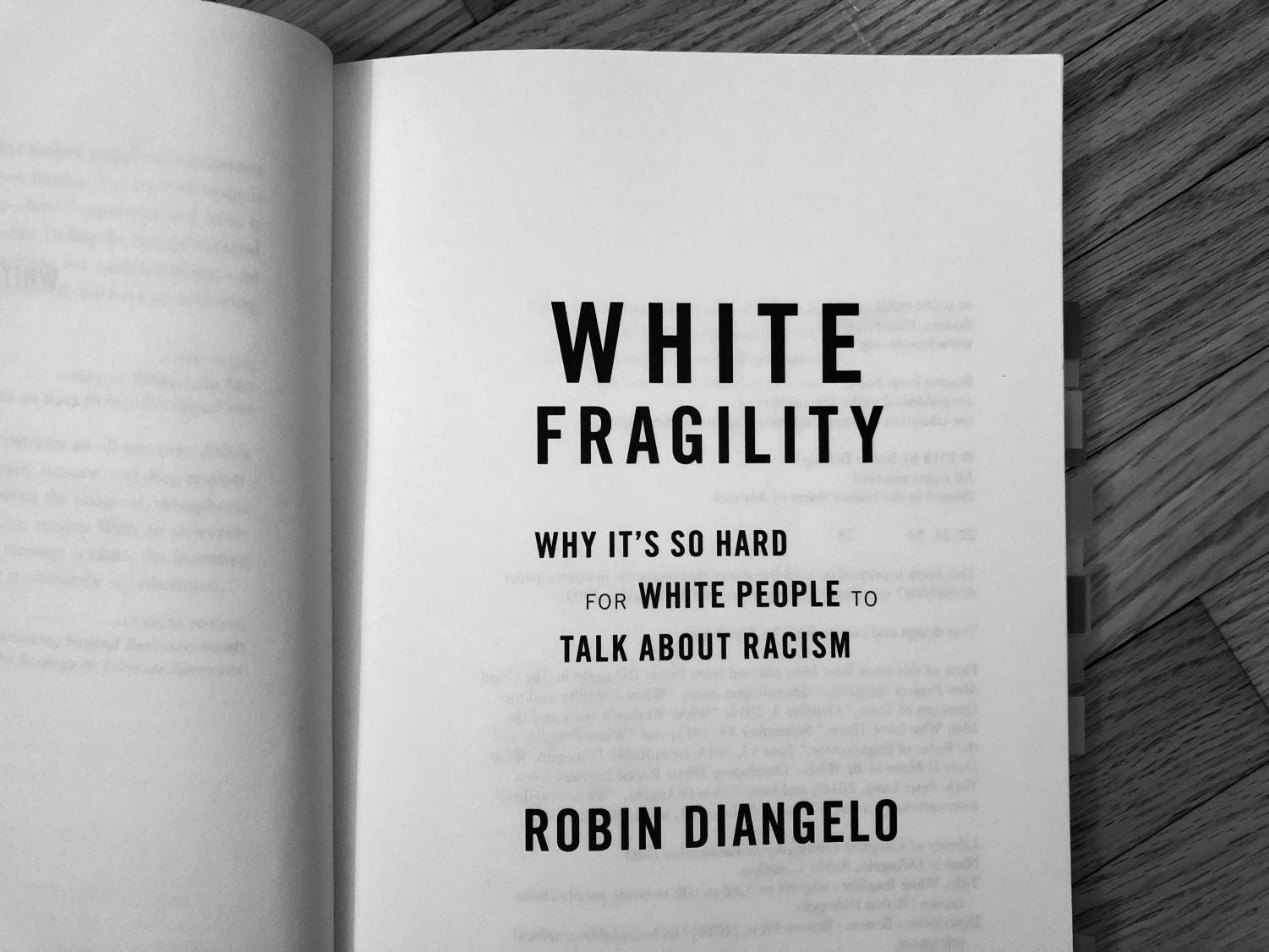
I’ve just finished White Fragility by Robin DiAngelo, and it left me with a lot to think about. It was good to read a white person’s admission and perspective on how white fragility plays out—essentially, it is the defensiveness and discomfort that white people often show when faced with discussions about racial inequality and injustice. The book illustrates how there’s almost a “playbook” that many people follow without realising it, with predictable reactions surfacing whenever race is raised. Having been on the receiving end of this many times, I could almost recognise my own encounters in the book.
What struck me most, though, is how little incentive there often is for white people to truly change, at least as things stand. Why give up your power and privilege? The truth is, meaningful change may only happen when white people start to see how this system harms and erodes their own well-being too. Though they’re aware of how it affects Black lives, it might, ironically, be self-interest that finally drives them to engage.
And I think ultimately, what DiAngelo is calling white people to do is confront their biases while still operating within the same white supremacist structure. Imagine trying to eat around the ants on a piece of toast that’s fallen to the ground, instead of throwing it out altogether and reimagining the whole meal. I’m trying to reimagine something seasoned and delicious, and she’s giving a tutorial on how to dust off the ants. Dusting off ants is better than eating them, but there has to be more than this. Do you get what I mean?
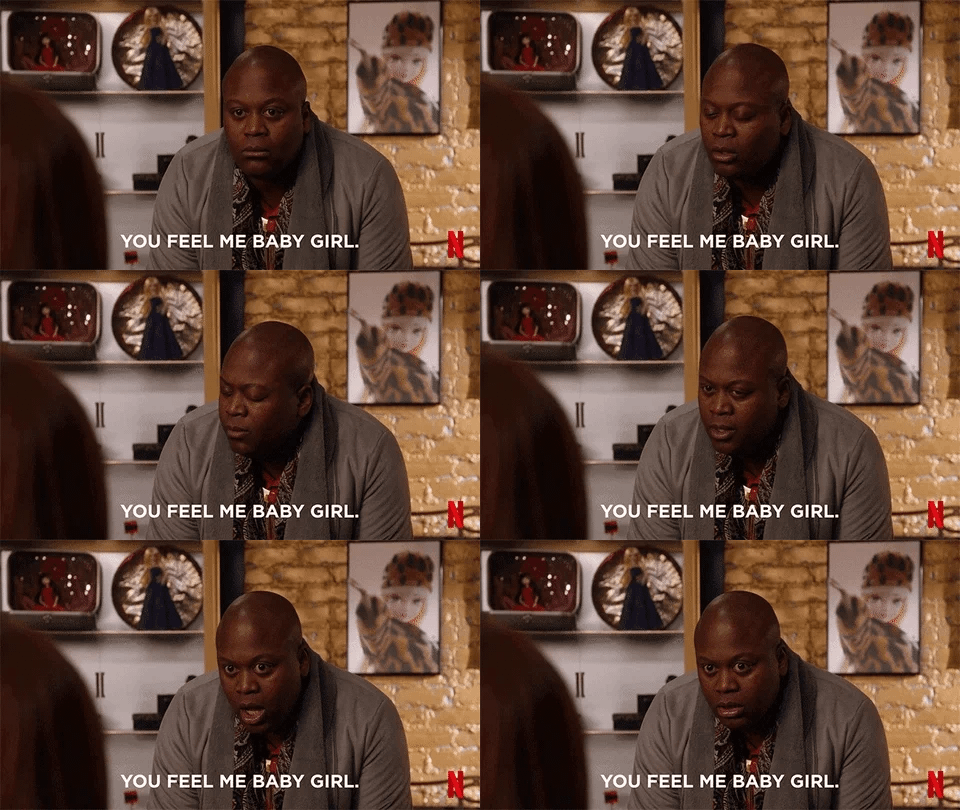
Of course, DiAngelo is essentially saying what Black voices have been saying for years, but her message gains traction because she’s white. Oddly, I don’t see this as a fatal flaw—if anything, it’s a call for more white people to challenge each other on these issues. Too often, the problem is repeatedly handed back to Black people, framing racism as a Black issue rather than a deep-rooted issue within white communities.
All in all, the book was as insightful as it was discouraging, as infuriating as it was triggering, and as helpful as it was hard to read.
THROWBACK SONG OF THE WEEK

What do you know about Fred Hammond?! I recently started reading I'm Still Here: Black Dignity in a World Made for Whiteness by Austin Channing Brown, and she references Fred. It took me straight back to some of his golden oldies, like Breathe into Me, Oh Lord. Gospel artists (for the most part) just aren’t making bangers like this anymore!
COMMISSION OF THE WEEK
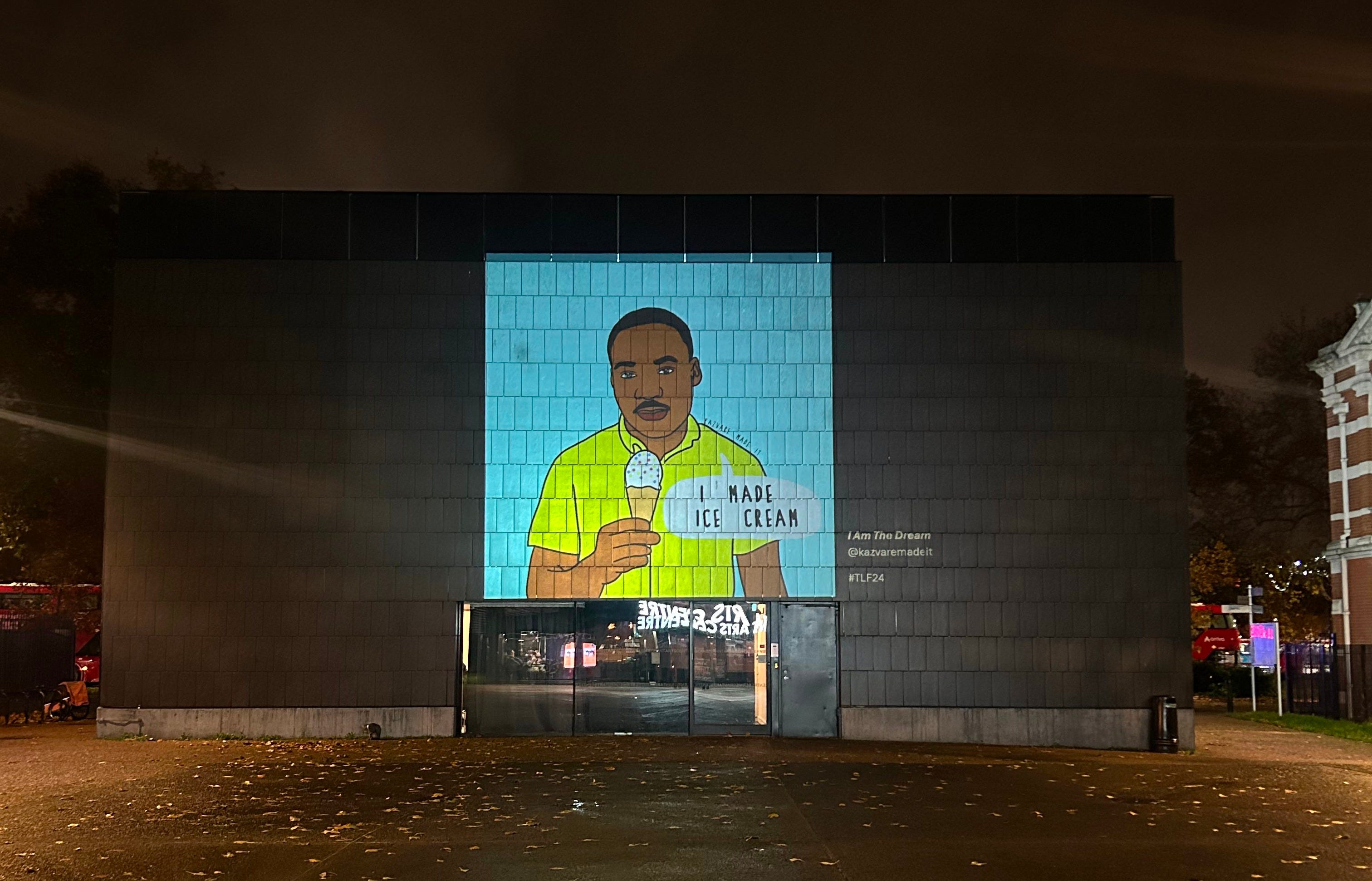
I had the pleasure of creating work for the Tottenham Literature Festival (happening this week!), where my piece is projected onto their building. This year's theme is “Black Imaginations and its radical power in re-imagining oppressive landscapes and violence to create just, joyful, and futuristic worlds where we see our liberated selves reflected.”
In response, I created I Am The Dream, a series of vignettes reimagining Martin Luther King Jr. We often think of his iconic “I have a dream” speech as the pinnacle of visionary hope, yet that dream emerged from the need to confront injustice head-on. But what if he’d been free to dream from a different place—a place not bound by struggle, where rest and joy weren’t radical acts, but normal parts of life?


In this alternate view, rest itself becomes a radical expression of freedom. It’s about capturing a life where Black joy, peace, and ease are the dream—not just the absence of struggle, but the presence of true fulfillment. This work invites us to consider what King’s dream might look like if it weren’t constrained by the urgency of racial equality—a world where the real dream is the freedom to simply be, to live joyfully, and to imagine without boundaries.
If you're free, be sure to check out the festival—there are some amazing events lined up.
For paid subscribers, I’ll be sharing more vignettes for you to enjoy! xo
