

Hi babes,
It’s been a busy week in pop and politics this week, hasn’t it?
POP! GOES THE TIMELINE
This week, Trump ‘won’ his way back into office—but not before a few rappers took it upon themselves to shuck and jive in his honour. Truly, the circus never stops.


It also got me thinking about life partners and how their choices, for better or worse, can reflect on you. (Women, in particular, are often held accountable for their partners’ actions in ways men rarely are.)


Ashanti has definitely been catching heat this week as a result of Nelly’s relentless tap dancing for his tangerine massa. We’ll probably never know if she begged him not to go (and hid his tap shoes) or if she polished them for him before he left. But either way, she’s certainly feeling the impact of his decisions.
While I don’t think it’s fair to entirely hold someone accountable for their partner’s decisions, it’s hard to ignore the ways in which staying silent—or actively supporting—those decisions can signal complicity. So the idea that Melania doesn’t co-sign Trump’s tomfoolery? That’s a stretch I’m not willing to make.


I’m still not over the audacity of holding the inauguration on Martin Luther King Jr. Day. It’s giving irony.


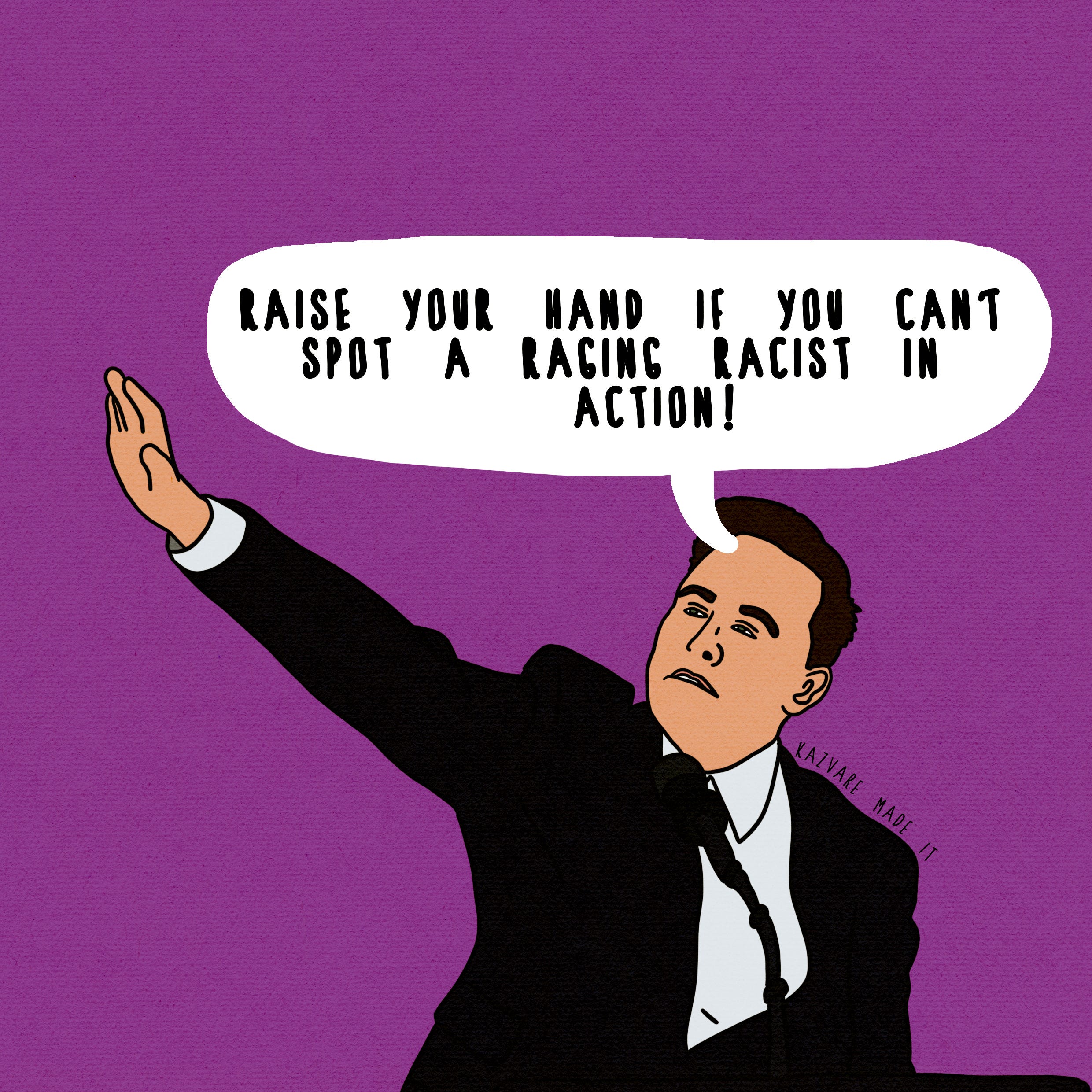
And as for Elon Musk...
READ OF THE WEEK
I’ve been packaging up a batch of cards heading to Oliver Bonas this week, and while the task can be a bit monotonous, it gave me a great excuse to finish listening to Black Meme by Legacy Russell.
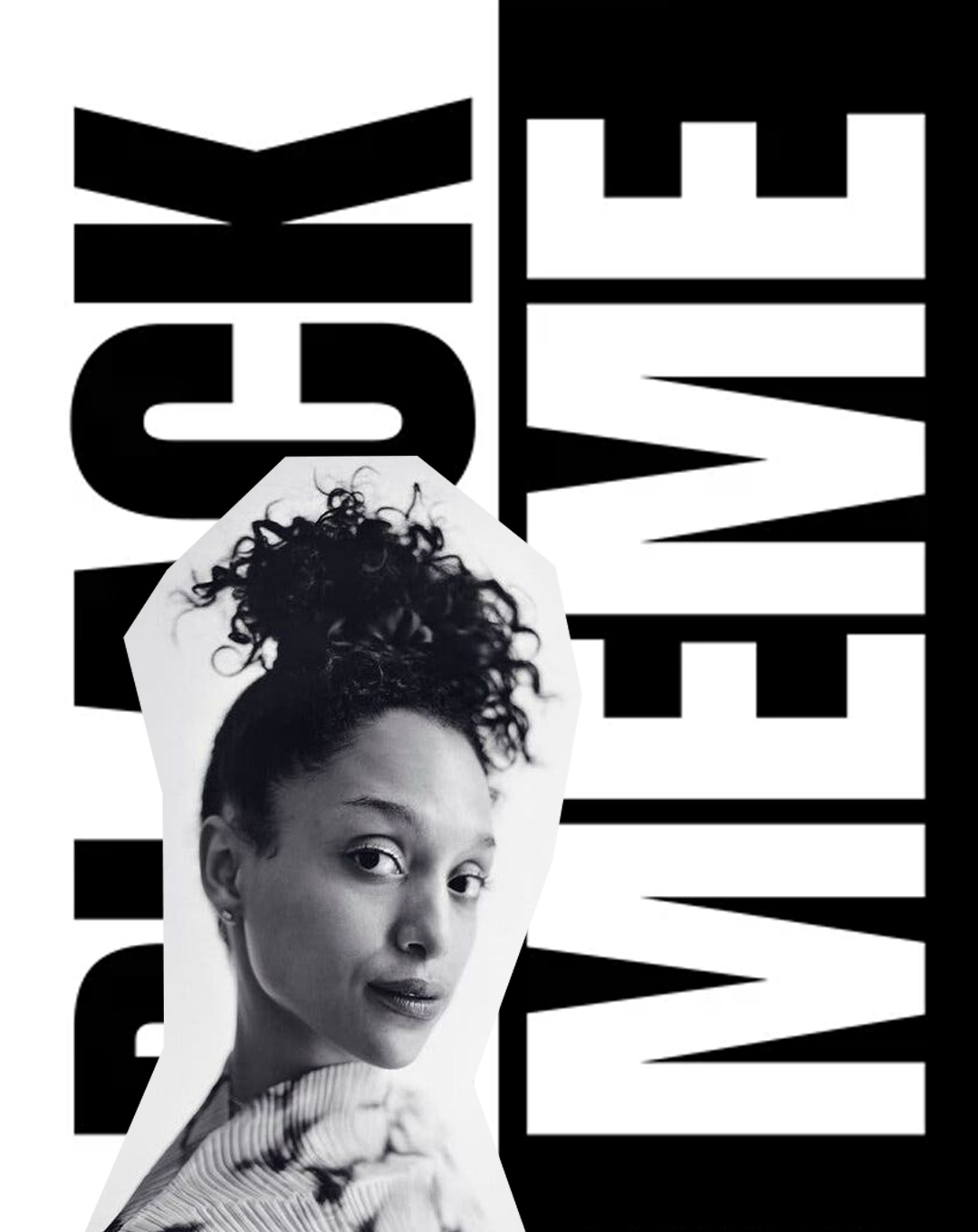
The book explores how Black people and Blackness are represented and commodified in digital culture. Russell examines how the internet has become its own visual culture, where Black bodies and images are frequently consumed, reshaped, and circulated in ways that echo historical patterns of exploitation and caricature. It’s an academic yet compelling dive into the intersections of technology, race, and power.
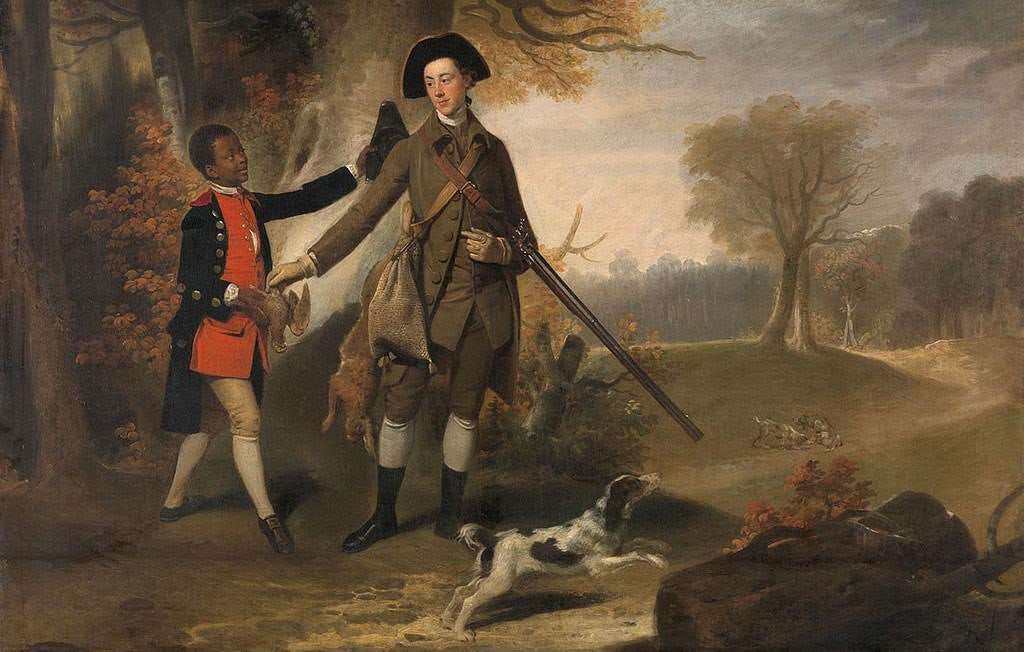
One idea that really struck me was about the decorative use of the Black image. Russell traces this back to 18th- and 19th-century paintings, where Black people were often included as visual markers of wealth or status. These figures weren’t portrayed as full subjects with agency but rather as accessories to enhance the grandeur of the white subjects in the artwork.
She then connects this to today, pointing out how even Breonna Taylor’s image has been commodified—her face and name printed on products and often sold by people with no personal connection to her or her story. It highlights how whether through paintings or digital spaces, Black bodies are too often used as symbols, stripped of their full humanity and agency.
Legacy Russell’s book resonates with me because of my love for memes, gifs, and Black pop culture. These mediums are central to how I communicate online, but they also raise the question: What does it mean to engage with them? Russell’s exploration of Black imagery in these spaces pushes me to consider their impact on both the culture and the evolution of Black identity in the virtual world.
WATCH OF THE WEEK
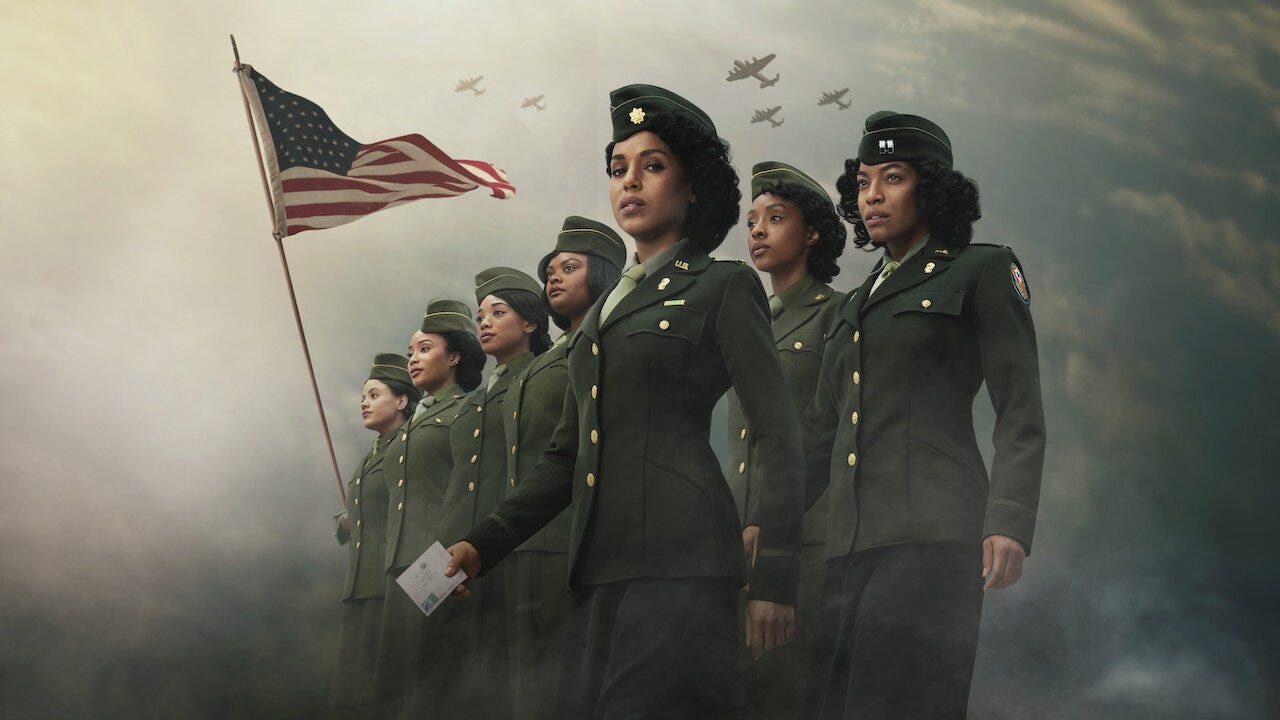
I watched The Six Triple Eight with Kerry Washington on Netflix. When I saw Tyler Perry’s name attached, I almost decided against watching it (sorry to anyone I offend, lol), but I ended up enjoying it much more than I expected. The film touches on some heavy themes, and a few really stuck with me—like how Black women are often called in to fix problems no one else wants to touch, the pressures of being “twice as good” to get half the respect, the internal tension around presenting ourselves “properly” both within our communities and in front of white people (gotta love respectability politics), and, of course, good old-fashioned racism. (I’m so fascinated by the idea of going to war for a country that marginalises you. It really highlights the contradictions Black Americans have had to navigate and grapple with.)
While The Six Triple Eight does an important job of highlighting the contributions of Black women during WWII, it's impossible to ignore the broader context of how these women’s stories have been historically erased/undervalued. For centuries, Black women have been relegated to the background of major historical moments, only acknowledged when their labour or sacrifices are essential to the narrative of white progress. So, while it’s great that this film shone a light on these women, it also underscores the uncomfortable reality that their recognition has often come too late.
SNEAK PEEK OF THE WEEK
For my paid subscribers, I’m sharing a behind-the-scenes glimpse of me prepping my Oliver Bonas order. I’ll also reveal which card is making its way into shops very soon, and which ones didn’t quite make the cut…
